

Discover global artistic expression and modern media convergence
Global creativity merges fine art craftsmanship with digital media innovation, reshaping cultural consumption trends.
Preserving cultural heritage
Fine art museums and digital archives safeguard historical masterpieces using advanced conservation and restoration techniques.
Evolution of multimedia storytelling
Literary narratives shift from printed pages to interactive screens, engaging audiences through immersive audiovisual experiences.
Digital media integration
VOD algorithms and high-definition streaming platforms revolutionize global content distribution, ensuring seamless accessibility.
A journey through visual arts and modern galleries

Contemporary painters and sculptors manipulate light and texture to evoke profound visual emotion.
Contemporary exhibitions challenge the viewer’s perspective by blending physical installations with augmented reality. Curators meticulously arrange collections to narrate historical shifts, ensuring that every brushstroke or chiseled stone communicates a distinct era. Galleries now function as dynamic spaces where static art meets interactive dialogue, fostering a deeper connection between the creator and the observer.
Beyond the canvas, the preservation of visual culture demands rigorous scientific analysis. Restorers utilize chemical solvents and spectral imaging to uncover original pigments hidden beneath centuries of varnish. This dedication reveals the artist's true intent, allowing modern audiences to witness the vibrancy of the past. From classical renaissance frescoes to abstract modernist sculptures, the visual arts remain a testament to human ingenuity, capturing fleeting moments of beauty and preserving them against the relentless passage of time.
Discover performing arts and stage dynamics
Live stage performances create a unique, ephemeral bond between professional actors and the audience.


The power of sound and music
Music composers and sound designers shape melodies for immersive auditory experiences. Recording engineers capture instrumental subtleties, while mixing and audio mastering refine spatial depth. From composition to high-fidelity streaming, every choice enhances rhythm, transporting listeners into crafted soundscapes spanning jazz, classical, or electronic genres.
Exploring cinema and visual storytelling
Film directors and cinematographers craft compelling narratives through lighting, framing, and camera movement, immersing audiences in cinematic worlds.
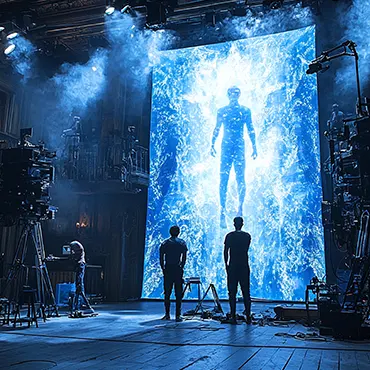
Fiction film production
Screenwriting, casting, and set design converge to bring fictional stories to life, blending emotion, acting performance, and visual artistry.
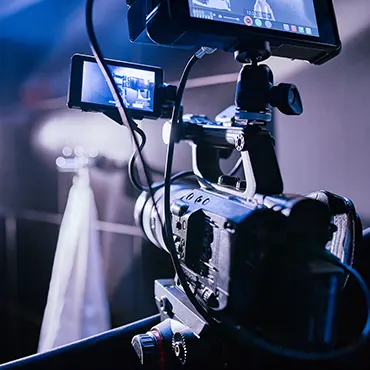
Short film creation
Condensed storytelling techniques challenge filmmakers to convey powerful narratives, experimenting with narrative structure, visual style, and editing pacing.
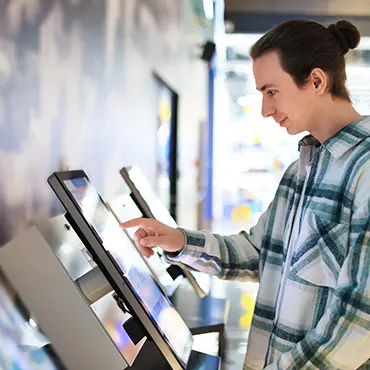
Interactive audiovisual media
Digital technology enables viewers to engage dynamically, using branching narratives to transform passive watching into participatory VR experiences.
Reading and understanding literary works
Contemporary authors weave complex syntax and metaphors to construct enduring narratives and fictional worlds.
World literature mirrors society, documenting cultural shifts through fiction and biography. Readers engage in active cognitive processes, decoding literary symbols. Whether through poetry verses, graphic novels, or classic fiction, the written word preserves human thought and fosters empathy across global cultures.
The publishing industry connects manuscripts with eager minds. Literary editors refine the narrative arc, while translators bridge linguistic gaps. In the digital age, bestselling e-books and audiobooks diversify reading habits. A well-crafted book invites deep reflection, challenging the reader to inhabit diverse perspectives, expanding understanding of the human condition.
Discovering television and broadcast innovations
Modern broadcasting delivers high-definition content instantly to millions of screens worldwide.
Television evolved from linear programming to on-demand streaming, shifting control to the viewer. Showrunners develop intricate plotlines spanning seasons, encouraging binge-watching. 4K resolution and High Dynamic Range (HDR) provide visual clarity, while smart interfaces suggest content. The screen becomes a personalized gateway to documentaries, news channels, and entertainment series.